
Air Conditioner Buying Guide
Start with the right system type
Choosing the right air conditioner comes down to three things: the correct system type, the right kW size, and proper installation. This guide helps you compare split, ducted, and multi-split options, understand single vs three phase power, and avoid common mistakes that cause poor comfort or high running costs. Use it to buy with confidence.

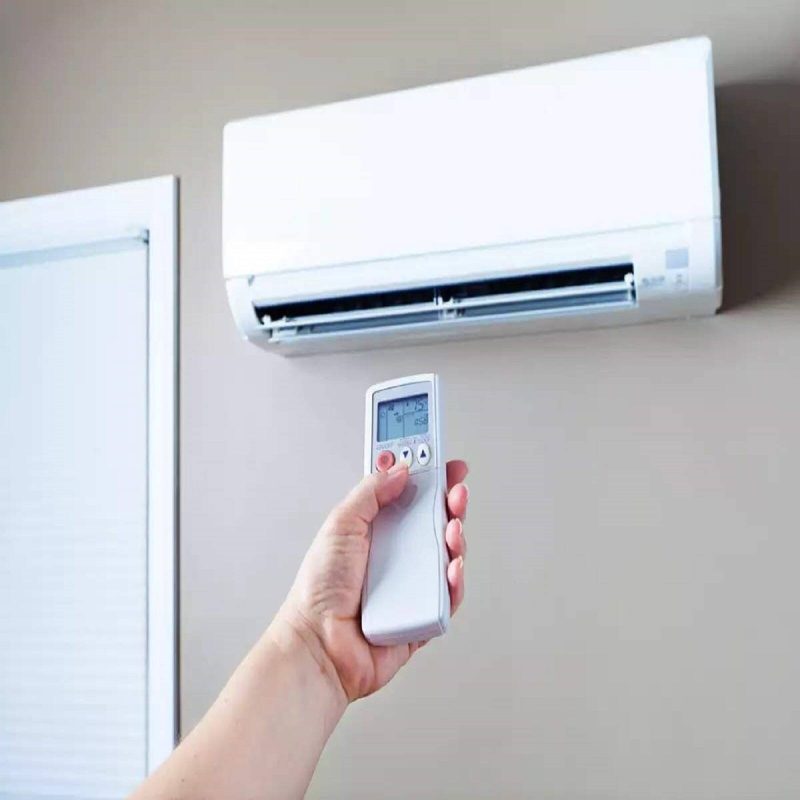
Split System
Best for: Single rooms or open-plan areas where you want one indoor unit per area.
Pick a split system if you want:
- Lower upfront cost vs ducted
- Simple installation (most homes)
- A clear “one room = one unit” setup
Typical use cases:
- Bedrooms, small lounges, home offices, small shops
Ducted System
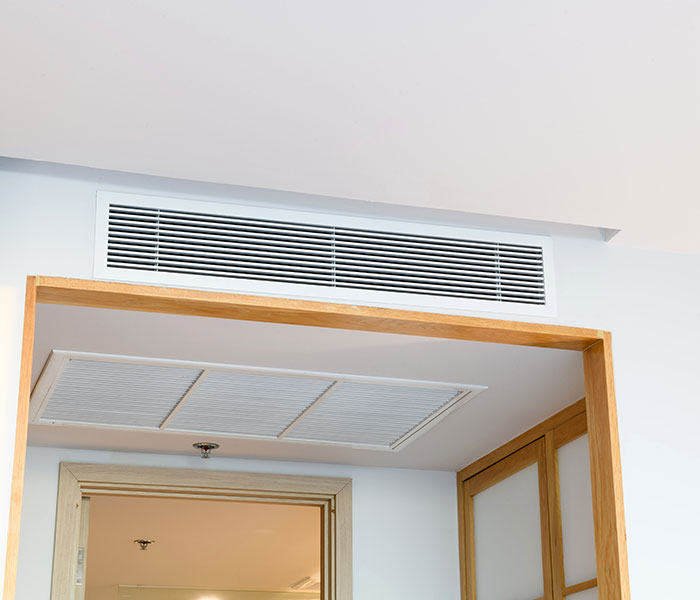
Best for: Whole-home comfort, multiple rooms, a clean look (no wall heads), or larger open plans.
Pick ducted if you want:
- Multiple rooms from one system
- Zoning control (turn rooms on/off)
- A hidden, premium finish
Important: Ducted systems come in single phase and three phase options depending on capacity and site power.
Multi Split System (Multi Indoor + Condenser)
Best for: Multiple rooms without ducted.
Pick multi if:
- You want 2–5 indoor units connected to one outdoor unit
- You have limited outdoor space
- You want room-by-room control without roof ductwork
Trade-off: More complex design and install than a single split.
Choose the correct size (kW)
Sizing is the #1 reason people end up unhappy (too small = struggles; too big = short cycling, humidity issues, wasted money).
Quick sizing guide (rule-of-thumb)
Use as a starting point only (ceiling height, insulation, windows, and sun exposure matter a lot):
- Small bedroom (10–15m²): ~2.0–2.5kW
- Bedroom / study (15–25m²): ~2.5–3.5kW
- Medium living area (25–40m²): ~4.6–6.0kW
- Large open-plan (40–60m²): ~7.1–8.5kW
- Very large open-plan / light commercial: 9.0kW+
For ducted, sizing is based on the total conditioned area + heat load (roof space, glass, orientation, zones, occupancy).
What to measure before buying
- Room size (length × width)
- Ceiling height
- Window sizes and direction (north/west sun = higher load)
- Insulation level
- How many people normally in the area
- If doors are usually open to other rooms
If you want the best outcome, base the final selection on a heat load assessment (or at least a proper sizing calculation).
Single Phase vs Three Phase
Single Phase
Most houses have single phase power. Many residential splits and smaller ducted systems suit this.
Three Phase
Often required for larger ducted systems and higher capacities. Usually found in:
- Some larger homes
- Many commercial sites
- Properties already upgraded electrically
If the product is marked three phase, confirm the property has three phase power before purchase.
What You Need to Decide Before Choosing a System
| Category | Decision Area | Key Considerations |
|---|---|---|
| Ducted Systems | High Static vs Slimline / Low Profile | High Static: Better for larger duct runs, more vents, higher resistance designs, and bigger homes. Slimline / Low Profile: Fits tighter roof spaces, generally quieter and compact. |
| Ducted Systems | Zoning (Highly Recommended) | Zoning saves money and improves comfort by conditioning only the rooms you’re using. Typical zones: Bedrooms, Living Area, Home Office / Rumpus. |
| Ducted Systems | Controls & Add-ons | Common add-ons include: Wired / Touch Controllers, Wi-Fi Adaptors, Zone Controllers, Relay Modules (for multi-zone setups). If phone control is required, confirm compatibility and whether a brand-specific Wi-Fi adaptor is needed. |
| Split Systems | Room Purpose | Bedrooms: Prioritise quiet operation and stable temperature. Living Areas: Prioritise airflow throw and capacity. Offices: Prioritise comfort and efficiency for long run times. |
| Split Systems | Installation Constraints | Outdoor unit placement availability. Long pipe runs may affect performance and installation cost. Wall placement impacts airflow and comfort. |
Efficiency and comfort features (what actually matters)
When comparing models, focus on:
- Energy efficiency (star ratings / AEER / ACOP where available)
- Inverter technology (most modern units) for smoother running
- Quiet operation (especially bedrooms)
- Dehumidification performance (comfort in humid weather)
- Controls: Wi-Fi / timers / zoning / sensors
Bigger isn’t always better — correct sizing + good installation wins every time.
Installation checklist (avoid mistakes)
Before ordering, confirm:
- Correct phase (single vs three phase)
- Location for indoor + outdoor unit(s)
- Drainage path (especially ducted)
- Roof space access for ducted installs
- Duct paths and vent layout (ducted)
- Wall structure and pipe run distance (splits)
- Any strata/body corporate requirements (apartments/townhouses)
If you’re bundling install, you’ll get fewer issues by confirming these up front.
Common buyer mistakes
- Choosing based only on price (then paying twice to fix comfort issues)
- Undersizing because “it’s just a bedroom” (especially with west-facing windows)
- Oversizing to “be safe” (short cycling, worse humidity control)
- Not checking power phase for large ducted systems
- Ignoring zoning on ducted (higher running costs long-term)
- Poor indoor unit placement (air blows directly onto beds/desks)
Quick “what should I buy?” cheat sheet
- 1 room: Split system
- 2–5 rooms, limited outdoor space: Multi-split
- Whole home + premium finish: Ducted with zoning
- Large duct runs / many vents: High static ducted
- Tight roof space: Slimline / low profile ducted
- Big capacity ducted: Confirm three phase early